Summer Home Maintenance: A Complete Checklist for South Jersey Homeowners
Summer heat and humidity put your home's systems to the test. This checklist covers the essential maintenance tasks every South Jersey homeowner should tackle in July and August to protect your home and avoid costly repairs.
Summer in South Jersey means long days, high humidity, and temperatures that regularly push into the 90s. For homeowners in Burlington County, Camden County, and across the region, the summer months also put every major home system under stress. Your air conditioner runs for hours on end. Your roof bakes in the sun. Humidity creeps into your basement. And your lawn demands attention almost daily.
The difference between a summer that is enjoyable and one that is expensive often comes down to maintenance. A small issue caught in July can become a major repair by September. This checklist covers the seven most important maintenance tasks for South Jersey homeowners right now, with practical guidance on what to do, when to do it, and when to call a professional.
1. HVAC: Your Air Conditioner Needs Attention
Your air conditioning system is the hardest-working appliance in your home during the summer months. In Burlington County, where July and August average highs between 85 and 90 degrees, a central AC unit can run 12 to 16 hours a day. That kind of sustained use takes a toll.
Change your air filter every 30 to 60 days. This is the single most important thing you can do for your HVAC system. A dirty filter restricts airflow, forces the system to work harder, and can lead to frozen coils, higher energy bills, and premature system failure. During the summer, check your filter monthly. If it looks dirty, replace it.
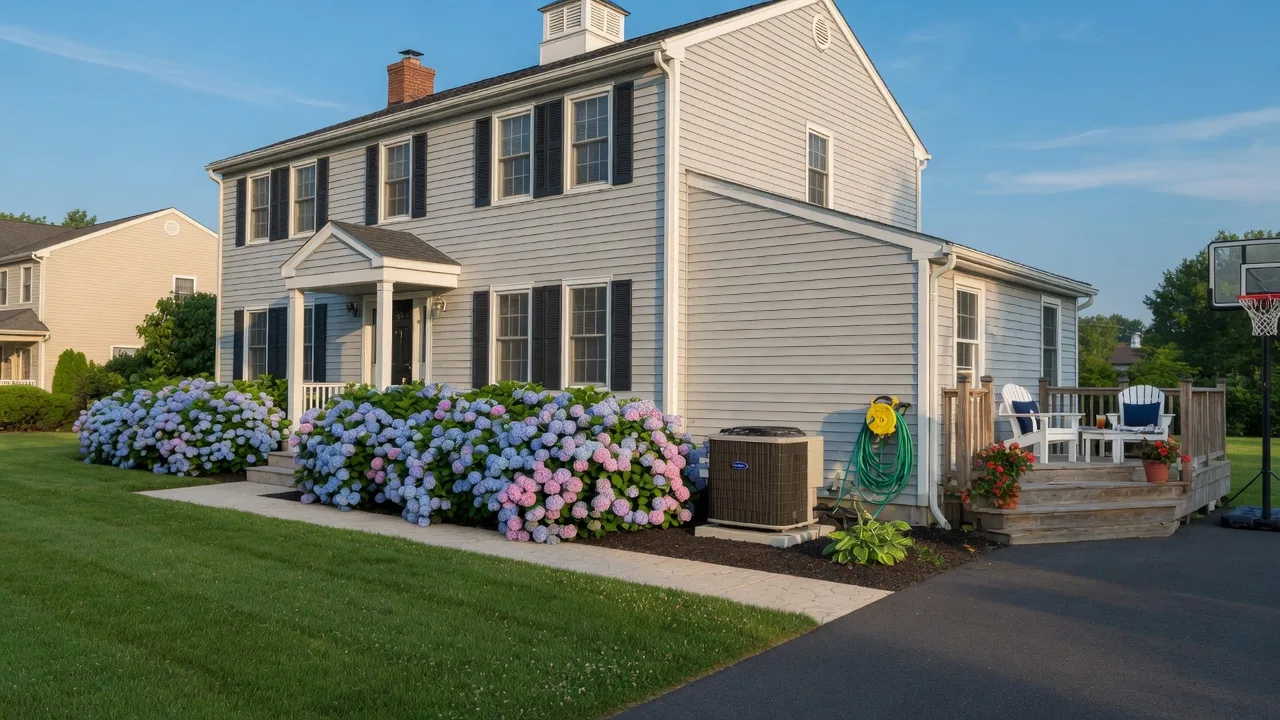
Clean the outdoor condenser unit. The condenser unit outside your home pulls air through its fins to dissipate heat. If those fins are clogged with grass clippings, dirt, or debris, the system cannot cool efficiently. Turn off power to the unit, gently hose off the fins from the inside out, and trim back any vegetation that has grown within two feet of the unit.
Check the condensate drain line. The drain line carries moisture away from your indoor air handler. In humid South Jersey summers, this line runs almost constantly. If it becomes clogged with algae or mold, water can back up and cause damage to your ceiling or walls. Pour a cup of white vinegar or a bleach solution through the drain line to keep it clear.
If your system is not cooling properly, making unusual noises, or running constantly without reaching the set temperature, schedule a professional inspection. A certified HVAC technician can check refrigerant levels, test electrical components, and identify problems before they turn into emergency repairs. For trusted HVAC contractors in Burlington County, visit our Trusted HomeCircle Partners page.
2. Inspect Your Roof for Summer Storm Damage
Summer in South Jersey brings thunderstorms, high winds, and occasionally hail. After any significant storm, it is worth taking a walk around your property to inspect your roof for damage.
Look for missing, cracked, or curled shingles from ground level using binoculars. Check for granules in your gutters or downspouts, which can indicate that shingles are beginning to deteriorate. Inspect flashing around chimneys, vents, and skylights for signs of separation or rust.
Inside your home, check your attic for signs of leaks. Look for water stains on the underside of the roof deck, damp insulation, or daylight streaming through gaps. If you find any of these signs, call a roofer for an inspection. Small leaks that are repaired quickly rarely cause major damage. Leaks that go unnoticed through a summer of rain can lead to rot, mold, and expensive structural repairs.
For more detailed guidance on roof care, read our Roof Repairs: Warning Signs and What to Do guide in the Homeowner Resource Center.
3. Gutters and Downspouts: Keep Water Flowing Away From Your Home
Clogged gutters are one of the most common causes of water damage in South Jersey homes. When gutters fill with leaves, twigs, and debris, rainwater overflows and pools around your foundation. Over time, that water can seep into your basement or crawl space, erode your landscaping, and damage your foundation.
Summer may not seem like the obvious time to clean your gutters. But in South Jersey, trees drop leaves, seeds, and pollen throughout the warm months. Silver maples, oaks, and pines all shed debris in summer. After a heavy rain, walk around your home and check that water is flowing freely through your downspouts and discharging at least four to six feet away from your foundation.
If you notice water pooling near your foundation, your gutters may be clogged or your downspouts may need extension. Gutter guards can reduce the frequency of cleaning, but they still need to be checked periodically. For homes surrounded by mature trees, cleaning gutters twice during the summer is not excessive.
4. Lawn and Landscape Care in the Heat
South Jersey summers are tough on lawns. The combination of heat, humidity, and periods of drought can stress even the healthiest grass. The key to a healthy summer lawn is watering deeply and infrequently rather than lightly and often.
Water your lawn early in the morning, between 5:00 AM and 9:00 AM, when evaporation is lowest. Aim for about one inch of water per week, including rainfall. Watering in the evening can leave moisture on the grass overnight, which promotes fungal diseases.
Mow your grass at a higher setting during the summer. Taller grass shades the soil, retains moisture, and develops deeper roots. Set your mower blade to three to four inches and never cut more than one third of the grass height at once.
Mulch your garden beds in late spring or early summer to retain moisture and suppress weeds. A two to three inch layer of organic mulch around trees, shrubs, and flower beds keeps the soil cooler and reduces the need for watering.
5. Pest Prevention: Ants, Mosquitoes, and Termites
Summer is peak pest season in South Jersey. Ants, mosquitoes, carpenter ants, and termites are all active from June through September. The humid conditions that make our summers feel lush also create ideal conditions for pests.
Mosquitoes breed in standing water. Walk your property after a rain and look for anything that holds water: clogged gutters, birdbaths, flower pot saucers, children's toys, and low spots in your yard. Empty or drain anything that collects water. If you have a pond, consider adding mosquito dunks, which are safe for pets and wildlife but kill mosquito larvae.
Ants often enter homes in search of food and water during hot, dry spells. Seal cracks around windows and doors, keep counters clean, and store food in sealed containers. If you see a trail of ants, follow it to find the entry point and seal it with caulk.
Termites swarm in the spring and early summer. If you see winged termites inside your home, that is a sign of an active infestation. Check for mud tubes along your foundation, hollow-sounding wood, and frass (termite droppings that look like sawdust). Termite damage is not typically covered by homeowners insurance, so early detection is critical. Schedule an annual termite inspection if you have not had one recently.
6. Test Your Smoke and Carbon Monoxide Detectors
Summer is a good time to test your smoke and carbon monoxide detectors. The combination of increased cooking, grilling, and use of air conditioning creates more opportunities for both fire and carbon monoxide risks.
Test every detector in your home by pressing the test button. Replace batteries at least once a year, and replace the entire unit every ten years. If your detectors are hardwired, verify that the backup batteries are fresh. New Jersey law requires smoke detectors on every level of your home and outside every sleeping area. Carbon monoxide detectors are required on every level with a sleeping area.
While you are at it, review your home fire escape plan with your family. Make sure everyone knows two ways out of every room and where to meet outside.
7. Check Your Home's Exterior for Wear
Summer is the best time to inspect and repair your home's exterior because the weather is cooperative and materials cure quickly. Walk around your home and look for:
- Cracked or peeling paint. Exposed wood can rot quickly in South Jersey's humid climate. Scrape, prime, and paint any bare spots.
- Damaged siding. Vinyl siding can crack in the heat, and wood siding can swell. Replace or repair damaged sections.
- Caulk around windows and doors. Dried, cracked caulk lets in humidity and pests. Re-caulk any gaps.
- Weatherstripping. Check the seals around doors and windows. If you can see daylight or feel a draft, replace the weatherstripping.
- Deck and patio. Inspect wooden decks for loose boards, popped nails, and signs of rot. Clean and reseal if needed. For composite decks, check for warping or fading.
Making these repairs in the summer means you are ready for the fall and winter, when weather is less forgiving and contractors are harder to book.
When to Call a Professional
Many summer maintenance tasks are safe and simple to do yourself. But there are times when calling a professional is the right call. If you are uncomfortable on a ladder, do not clean your own gutters or inspect your own roof. A fall from a ladder can be life-altering. Hire a professional instead.
If you notice any of the following signs, call a professional right away:
- Water stains on your ceiling or walls
- A musty smell in your basement or crawl space
- Your air conditioner is blowing warm air or not turning on
- You see signs of termites or other wood-destroying insects
- Your circuit breaker is tripping frequently
For a list of trusted, vetted professionals in Burlington County and South Jersey, visit our Trusted HomeCircle Partners page. Every business listed has been personally recommended and used by HomeCircle clients.
Frequently Asked Questions About Summer Home Maintenance
How often should I service my HVAC system?
HVAC professionals recommend a professional inspection and tune-up at least once a year, ideally in the spring before the cooling season begins. If your system is more than ten years old, consider twice-yearly inspections. For more details, read our HVAC Maintenance: A Homeowner's Guide.
Should I run my air conditioner or use a dehumidifier?
In South Jersey's humid climate, your air conditioner is already acting as a dehumidifier. If your basement or crawl space feels damp even with the AC running, a dedicated dehumidifier can help. Aim for indoor humidity levels between 30% and 50%.
How much does an HVAC tune-up cost in South Jersey?
A standard HVAC tune-up in Burlington County typically costs between $80 and $150. Many companies offer seasonal discounts for spring and fall maintenance visits. Some offer annual maintenance plans that include two inspections per year for a flat fee.
What is the best time of day to water my lawn?
Early morning, between 5:00 AM and 9:00 AM, is the best time. Watering during the heat of the day wastes water to evaporation, and watering in the evening leaves grass wet overnight, which encourages fungal diseases.
How do I know if I need a new roof?
Signs that your roof may need replacement include: shingles that are curling, cracking, or losing granules; daylight visible through the roof boards in your attic; multiple leaks; and a roof that is more than 20 to 25 years old. For a complete guide, read Roof Repairs: Warning Signs and What to Do.
Keep Your Home in Great Shape All Summer
Summer home maintenance does not have to be overwhelming. Tackle these tasks one at a time, and you will protect your home's value, avoid emergency repairs, and enjoy the season with more peace of mind. If you have questions about any of these maintenance tasks or need a recommendation for a trusted local contractor, reach out to Bob. HomeCircle is here to help you love owning your home, long after closing.
Related resources on HomeCircle: