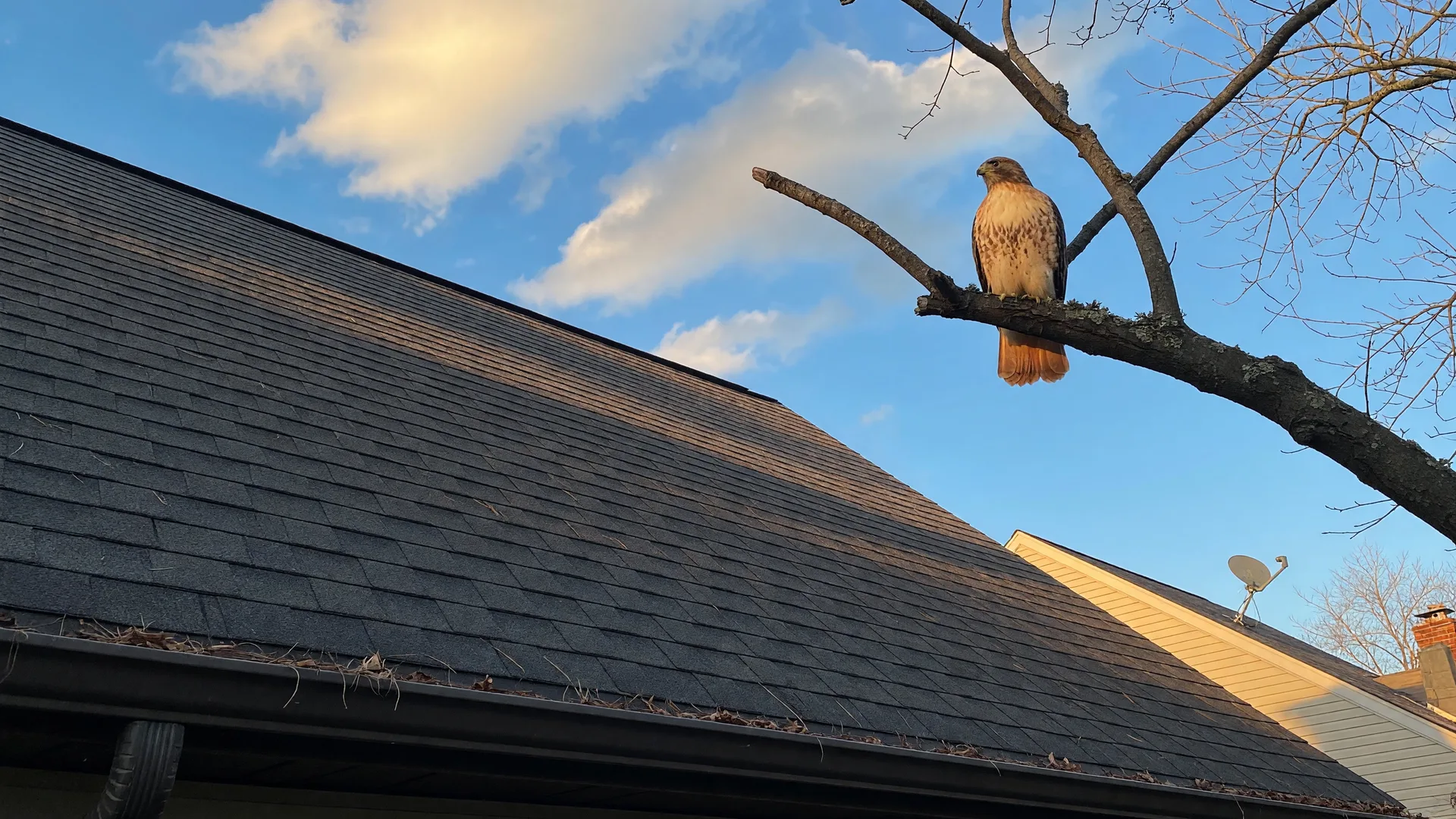
Roof Repairs:
Warning Signs and What to Do
Your roof is your home's first defense against the elements. Here is how to spot problems early, assess damage after a storm, and make smart repair or replacement decisions for your South Jersey home.
Your roof takes a beating. South Jersey weather throws everything at it: scorching summer sun, heavy rain, nor'easters with high winds, snow and ice in winter, and freeze-thaw cycles that test every shingle and flashing.
A well-maintained roof protects your entire home. A neglected one leads to leaks, mold, rot, structural damage, and expensive interior repairs. The good news is that most roof problems give clear warning signs before they cause serious damage. Knowing what to look for and what to do when you spot it can save you thousands of dollars.
This guide covers how to inspect your roof from the ground safely, what to look for after storms, how to decide between repair and replacement, and how to navigate insurance claims for storm damage. And remember: never get on your roof unless you have proper safety equipment and experience. A ground-level inspection with binoculars is the safe approach.
Visual Inspection Checklist
You do not need to climb on your roof to spot most problems. A pair of binoculars and a walk around your home will reveal the most common issues. Do this at least twice a year, in spring and fall, and after every major storm.
From the ground, scan your roof for any shingles that look out of place. Missing shingles leave your roof deck exposed to water. Curling edges mean the shingles are aging and losing their seal. Cracks allow water to seep underneath. In South Jersey, wind damage from nor'easters and summer thunderstorms is a common cause of missing or lifted shingles. If you see a few isolated damaged shingles, they can usually be replaced individually. If the damage is widespread, replacement may be needed.
If you notice any dips, waves, or sagging sections on your roof, this is a serious issue. It could indicate structural problems with the roof deck, sheathing, or framing. Sagging can be caused by long-term water damage, excessive weight from snow or ice, or inadequate support. A sagging roof requires immediate professional evaluation. Do not wait.
Moss and algae growing on your roof are more than cosmetic issues. Moss holds moisture against the shingles, accelerating deterioration. In shaded areas, especially on north-facing slopes in South Jersey, moss is common. Algae appears as dark streaks and is mostly cosmetic but can indicate trapped moisture. Moss can be treated with a zinc or copper strip installed along the ridge, or with a gentle cleaning solution applied from the ground. Never pressure wash your roof. The high pressure forces water under the shingles and damages the granules.
Asphalt shingles are coated with mineral granules that protect them from UV rays and weather. If you notice a significant amount of granules in your gutters or at the base of downspouts, your shingles are aging and losing their protective coating. Some granule loss is normal on newer roofs during the first year, but consistent granule loss on a roof over 10 years old indicates it is nearing the end of its life. Check your gutters during your seasonal cleaning.
Flashing is the metal material installed around chimneys, vents, skylights, and where roof planes meet walls. Damaged, rusted, or lifted flashing is a common source of roof leaks. Look for gaps, rust spots, or sections that have pulled away from the chimney or wall. Flashing repairs are best left to a professional roofer. They are tricky to get right and cause disproportionate damage when they fail.
Interior Signs of Roof Problems
Some roof problems show up inside your home before they are visible from the ground. Here is what to check in your attic and living spaces.
Any brown, yellow, or dark water stain on your ceiling or upper walls is a sign of a roof leak. The stain may not be directly below the leak, as water can travel along rafters or insulation before dripping down. If you see a stain, mark its location and note the size. Check it after the next rain to see if it has grown. A stain that grows during rain is an active leak. A stain that stays the same size may be from a past leak that has been fixed or sealed itself temporarily. Either way, have it investigated by a professional.
Go into your attic on a sunny day and look up. If you see any pinpoints of daylight coming through the roof deck or around chimneys, vents, or dormers, you have openings that can let water in. A small hole can become a big leak during a heavy South Jersey rainstorm. Seal any small gaps with roofing cement from the attic side, but have a professional inspect and repair the exterior cause.
If your attic smells musty or you see mold growth on the underside of the roof deck, you have a moisture problem. This could be from a slow leak, inadequate ventilation, or high humidity. In South Jersey's humid climate, attic ventilation is especially important. Check that your soffit vents are not blocked by insulation and that your ridge vents or gable vents are clear. A properly ventilated attic should be close to outdoor temperature. If it is significantly warmer, ventilation is inadequate.
If your attic insulation is wet, matted, or stained, water is getting in from somewhere. Wet insulation loses its R-value and is prone to mold growth. If the moisture is from a roof leak, the leak must be fixed and the affected insulation removed and replaced. Wet insulation that stays wet will eventually rot your roof deck and rafters.
Storm Damage Assessment
South Jersey sees its share of severe weather: nor'easters in winter and spring, thunderstorms with high winds in summer, and occasional hurricanes or tropical storms. After any severe weather event, a quick roof check can catch damage before it becomes a leak.
Walk around your home and look for debris in the yard that may have come from your roof. Check for missing or damaged shingles, bent or damaged gutters and downspouts, fallen tree branches that may have struck the roof, and any visible damage to flashing around chimneys and vents. If you have a satellite dish or solar panels, check those for damage as well. Inside, check your attic and ceilings for any new water stains. Take photos of everything you find for documentation.
Hail damage can be hard to spot from the ground. Look for dark or bruise-like spots on asphalt shingles where the hail struck and knocked off granules. Check metal components for dents: gutters, downspouts, vents, and flashing. Hail damage often looks like a random pattern of small impacts. If you suspect hail damage, have a professional roofer inspect it. Hail damage is typically covered by homeowners insurance, but you need a documented inspection to file a claim.
High winds can lift and tear shingles, especially on the edges of your roof and around penetrations. Look for shingles that are lifted, curled, or completely missing. Also check for debris that may have been blown onto the roof, which can cause additional damage over time. After a nor'easter, wind damage to roofs in Burlington County is common. If you see wind damage, document it with photos and call a roofer for a professional assessment.
South Jersey Weather and Your Roof
Our local climate has specific impacts on roofs that homeowners in other parts of the country do not face. Here is what to watch for.
These powerful coastal storms bring heavy rain, high winds, and sometimes snow or ice. They can last for days, stressing your roof continuously. The combination of wind and rain is particularly damaging, as wind lifts shingles and rain drives water underneath. After a nor'easter, do a thorough inspection for lifted shingles, damaged flashing, and interior leaks. Nor'easters in late winter and early spring are especially hard on roofs that have already been weakened by winter weather.
South Jersey summer thunderstorms can bring sudden high winds, heavy rain, and hail. These storms are often localized, so one neighborhood may be hit hard while a mile away there is no damage. After a severe thunderstorm, check your roof even if you do not see immediate signs of damage. Some damage, like granule loss from hail, may not be visible until the next heavy rain reveals a leak.
Ice dams form when heat from your attic melts snow on the roof, and the water refreezes at the colder eaves. The ice buildup can force water under shingles, causing leaks inside your home. Ice dams are common in South Jersey during January and February when we get significant snowfall followed by freezing nights. Prevention is the best approach: make sure your attic is well insulated and ventilated so the roof surface stays close to outdoor temperature. After a heavy snow, use a roof rake to remove snow from the bottom three to four feet of your roof edge to prevent ice dams from forming.
How to Find a Reputable Roofer
Roofing is a field where quality varies widely. Finding the right roofer is essential for a repair or replacement that lasts. Here is how to choose wisely.
In New Jersey, roofing contractors must be registered with the Division of Consumer Affairs. Verify their registration online. Ask if they have a specific roofing license or certification from manufacturers like GAF, CertainTeed, or Owens Corning. Manufacturer certifications mean the roofer has been trained and approved to install their products and can offer enhanced warranties. A roofer without manufacturer certifications may not be able to offer the best warranty coverage.
Roofing is one of the most dangerous trades. Make sure the roofer has both general liability insurance and workers' compensation insurance. Ask for a certificate of insurance and verify it with the insurance company. If a roofer does not have workers' compensation and a worker falls from your roof, you could be held liable for their medical bills. This is non-negotiable.
Ask for references from recent roofing projects in your area. Call them and ask about the roofer's quality, cleanup, timeline, and how they handled any issues. Look for roofers who have been in business in South Jersey for at least five years. A roofer with a long local track record has relationships with local suppliers, knows the building codes, and will be around to honor their warranty. Avoid out-of-town roofers who show up after a storm offering quick repairs. These "storm chasers" often do poor work and disappear.
Repair vs. Replacement: How to Decide
Every homeowner eventually faces this question. Here is a practical framework to help you decide.
Asphalt shingle roofs typically last 20 to 30 years. If your roof is under 10 years old and has isolated damage (a few missing shingles from a storm, a small flashing repair), repair is usually the right choice. If your roof is over 20 years old and needs repairs, replacement is often more cost-effective. Putting money into an old roof is like patching a tire that is already bald. The next problem is right around the corner.
If damage covers more than 30 percent of one roof slope, replacement is usually recommended. Matching old shingles to new ones is difficult, and the repaired area will look different from the rest of the roof. Widespread granule loss, multiple leak locations, or damage that has affected the roof deck all point toward replacement. A professional inspection can give you a definitive answer.
A typical roof repair in South Jersey costs $300 to $1,500 depending on the scope. A full roof replacement costs $7,000 to $15,000 depending on the size, pitch, and materials. If you are facing $3,000 in repairs on a 20-year-old roof, that money is better applied to a replacement. Most roofing contractors offer free estimates, so get at least three opinions before making a decision.
Insurance Claims for Storm Damage
Most homeowners insurance policies cover storm damage to your roof, but the claims process can be confusing. Here is what you need to know.
Before you do anything, take photos of all visible damage from multiple angles. If it is safe, take photos showing the date and time. Keep a written log of when the storm occurred, what damage you observed, and any steps you took to prevent further damage (like tarping a leaking area). Documentation is critical for a successful claim.
Before filing a claim, have a reputable local roofer inspect the damage and provide a written estimate. Some roofers will also assist with the claims process and meet the insurance adjuster on site. This is a legitimate service, but be wary of roofers who pressure you to file a claim or promise to cover your deductible. That is illegal in New Jersey.
Most policies cover storm damage but exclude wear and tear or lack of maintenance. Know your deductible. In New Jersey, a typical homeowners deductible is 1 to 2 percent of your home's insured value. On a $350,000 home, that is $3,500 to $7,000. If your repair costs are below your deductible, it is not worth filing a claim. Also know that filing a claim can affect your future premiums, even if the claim is not paid. Use your insurance for significant damage, not minor repairs.
Key Takeaways
Inspect your roof from the ground with binoculars twice a year and after every major storm. Look for missing shingles, sagging, moss, and damaged flashing.
Check your attic and ceilings for interior signs of roof problems: water stains, daylight through the deck, musty odors, and wet insulation.
South Jersey weather puts unique stress on roofs: nor'easters, summer storms, and ice dams. Each requires specific preparation and post-storm inspection.
When hiring a roofer, verify their NJ registration, insurance, and manufacturer certifications. Always get multiple written estimates and check local references.
Use the 30 percent rule for repair vs. replacement: if damage covers more than 30 percent of a slope or the roof is over 20 years old, replacement is usually the better investment.
Not Sure About Your Roof?
If you are unsure whether your roof needs repair or replacement, ask Bob for an honest opinion. Or browse the HomeCircle Trusted Partners directory for vetted roofing contractors in your area.
Related Handbook Articles
Finding Reliable Contractors in South Jersey
A complete guide to vetting and hiring trustworthy contractors, including roofers.
Read ArticleWhen to DIY vs. Call a Professional
A practical framework for deciding home repair strategy with cost comparisons.
Read ArticleShould I Replace My Roof Before Selling?
A complete guide to deciding whether to replace, repair, or disclose your roof when selling.
Read Article