When to DIY vs.
Call a Professional
Every homeowner faces this question. The answer can save you money or cost you thousands. Here is a practical framework to help you decide with confidence, whether you are handy with a drill or have never held one.
You notice a dripping faucet, a crack in the drywall, or a toilet that will not stop running. Your first instinct might be to grab your phone and call a handyman. Or maybe you reach for YouTube and a trip to the hardware store. Both instincts are valid, and both can be right depending on the situation.
Over the years, I have watched homeowners save hundreds of dollars on simple fixes they handled themselves. I have also watched well-intentioned DIY projects turn into expensive repair bills that cost more than if a professional had been called from the start. The difference comes down to knowing what you are getting into, being honest about your skill level, and understanding which repairs carry real risk.
This guide will walk you through the most common home repairs, give you a simple framework for deciding whether to DIY or call a pro, and explain the South Jersey regulations that affect who can do what work on your home.
The Confidence Check Framework
Before you pick up a tool, ask yourself these five questions. If you answer no to any of them, call a professional. This simple checklist has saved homeowners thousands of dollars in avoidable repairs.
Do I understand what is causing the problem?
If you cannot clearly diagnose the issue, you cannot fix it. A symptom like a slow drain can have many causes, from a simple clog to a collapsed sewer line. If you are guessing at the cause, call a professional to diagnose first.
Do I have the right tools and materials?
Starting a repair without the correct tools is how you strip screws, crack fixtures, and create bigger problems. If you need to buy more than $50 in tools for a one-time repair, the cost savings over hiring a pro start to disappear.
Does this repair involve water, gas, or electricity in a wall or ceiling?
Hidden systems carry hidden risks. A mistake behind a wall can cause fire, flooding, or gas leaks. If the repair involves opening a wall to access plumbing, electrical, or gas lines, call a licensed professional. The drywall patch is the easy part. What is behind it is not.
Could a mistake cause injury, fire, flood, or structural damage?
This is the most important question. If the answer is yes, call a professional. Your safety and your home's integrity are worth more than the money you might save on a DIY repair. Some things are not worth the risk.
Is a permit required for this work?
In New Jersey, many home repairs require permits and inspections, especially electrical, plumbing, structural, and roofing work. Doing unpermitted work can cause issues when you sell your home and may not be covered by insurance. When in doubt, check with your local municipal building department.
Repairs You Can Safely Handle Yourself
These are the most common home repairs that homeowners with basic tools and a willingness to learn can handle safely. Start with these to build your confidence and save money.
Painting and Touch-Ups
Painting is the most beginner-friendly home improvement project. Interior walls, trim, ceilings, and even exterior surfaces can be painted with basic supplies: rollers, brushes, painter's tape, drop cloths, and a good primer. The key is preparation. Clean the surface, patch holes, sand rough spots, and tape off edges before you open the paint can. A fresh coat of paint costs $50 to $150 in materials and can transform a room. Professionals charge $300 to $800 per room. The risk is low. The worst case is you have to do a second coat or repaint a section.
Minor Drywall Repairs
Small holes from nails, screws, doorknobs, or furniture bumps are easy to fix. You need spackle or joint compound, a putty knife, sandpaper, and primer. For holes smaller than a quarter, apply spackle with a putty knife, let it dry, sand smooth, and paint. For holes up to six inches, use a self-adhesive mesh patch, apply joint compound in thin layers, let each layer dry, sand, and paint. Larger holes, especially those that go through to the other side, may require cutting out a section and installing a new piece of drywall, which is better left to a pro. Materials cost under $20. A professional would charge $100 to $250 for the same small patch job.
Faucet and Fixture Replacements
Replacing a bathroom faucet, kitchen faucet, showerhead, or toilet handle is a straightforward DIY project for most homeowners. You need basic tools: an adjustable wrench, a basin wrench for tight spaces, plumber's tape, and possibly a bucket. Watch a few tutorial videos specific to your faucet brand. The most common mistake is overtightening connections, which can crack plastic fittings. If you are replacing a faucet in an older home with corroded supply lines, be prepared for the shutoff valves to fail when you turn them. Have a bucket and towels ready, and know where your main water shutoff is. DIY cost: $50 to $200 for the faucet plus basic tools. Professional installation: $150 to $400 depending on the faucet.
Weatherstripping and Caulking
Improving your home's air sealing is one of the highest-return DIY projects. Weatherstripping around doors and windows costs $10 to $30 and can reduce your energy bills by 10 to 20 percent. Caulking gaps around windows, baseboards, and exterior penetrations costs $5 to $15 per tube. The materials are cheap, the work is simple, and the only risk is messy caulk lines, which can be cleaned up with a damp finger or a caulk tool. In South Jersey, where winters are cold and summers are humid, proper sealing makes a noticeable difference in comfort and energy costs. Professional weatherstripping and caulking for a whole house costs $500 to $1,500.
Toilet Repairs: Flapper, Fill Valve, and Handle
A running toilet is one of the easiest and most satisfying DIY repairs. The flapper valve, fill valve, and flush handle are all inexpensive parts that are easy to replace. A flapper costs $5 to $10. A fill valve costs $10 to $20. A handle costs $5 to $15. Turn off the water supply, flush to empty the tank, and replace the faulty part. The whole job takes 15 to 30 minutes. A plumber would charge $150 to $300 for the same repair. The only risk is overtightening plastic connections, so hand-tighten plus a quarter turn with a wrench is usually enough.
When to Call a Professional
These jobs require specialized knowledge, training, and licensing. Attempting them yourself can void your insurance, violate local codes, and create dangerous conditions. Here is when to put down the tools and pick up the phone.
Electrical Work
Anything beyond replacing a light fixture, dimmer switch, or outlet cover should be done by a licensed electrician. Installing new circuits, upgrading your panel, running wiring through walls, adding outlets, and troubleshooting recurring breaker trips all require professional expertise. Electrical mistakes cause fires. In New Jersey, all electrical work must be performed by a licensed electrical contractor and permitted by your local municipality. A licensed electrician in South Jersey charges $75 to $150 per hour, and most small jobs take two to four hours.
Plumbing Beyond Minor Fixes
Replacing a faucet or toilet flapper is DIY territory. But repiping, moving drain lines, replacing a water heater, repairing sewer lines, and fixing slab leaks are professional jobs. Water damage is one of the most expensive and destructive home problems. A small plumbing mistake can lead to thousands of dollars in water damage, mold remediation, and structural repair. If the repair involves cutting into walls, floors, or your foundation, call a licensed plumber.
Structural Repairs
If you notice cracks in your foundation, sagging floors, doors that stick, or walls that are bowing or cracking, you have a structural issue that requires a structural engineer or licensed contractor. These are not DIY projects. Structural repairs are complex, expensive, and dangerous if done incorrectly. A structural engineer's inspection costs $500 to $1,500, but it is the only way to get an accurate diagnosis and repair plan.
Roofing Work
Roofing is dangerous and requires specialized knowledge to prevent leaks. Never get on your roof unless you have proper safety equipment and experience. A ground-level visual inspection with binoculars is safe to do yourself. But repairs, shingle replacement, flashing work, and chimney seals should be done by a licensed roofing contractor. Falls from roofs are a leading cause of home improvement injuries. In New Jersey, roofing contractors must be registered with the Division of Consumer Affairs.
HVAC Repairs and Maintenance
Your HVAC system involves refrigerant, gas lines, electrical components, and complex mechanical systems. Changing filters and cleaning vents are DIY safe. Everything else, including refrigerant charging, compressor repairs, gas furnace repairs, and full system diagnostics, should be done by an HVAC professional. HVAC technicians in New Jersey must hold a trade license and applicable EPA certifications. A professional tune-up costs $100 to $200 and is well worth the investment.
DIY Cost vs. Professional Cost
Here is a realistic look at what you save by doing it yourself, and what you risk if you get it wrong. These are typical South Jersey prices as of 2026.
| Repair | DIY Cost | Pro Cost | DIY Risk |
|---|---|---|---|
| Paint a room (12x12) | $50-150 | $300-800 | Very low |
| Replace a toilet flapper | $5-10 | $150-300 | Very low |
| Replace a faucet | $50-200 | $150-400 | Low |
| Patch a small drywall hole | $10-20 | $100-250 | Very low |
| Replace a light fixture | $30-150 | $100-250 | Low |
| Unclog a drain with a snake | $10-30 | $150-350 | Low |
| Replace an electrical outlet | $5-15 | $100-200 | Medium |
| Install a new circuit | Not recommended | $300-800 | High |
| Replace a water heater | Not recommended | $800-1,500 | High |
| Roof shingle repair | Not recommended | $300-1,000 | High |
South Jersey Contractor Licensing Requirements
New Jersey has specific licensing requirements for home contractors. Knowing these rules protects you from unqualified workers and shoddy workmanship. Here is what you need to know.
Every contractor performing home improvement work in New Jersey must be registered with the Division of Consumer Affairs. This includes general contractors, roofers, and many specialty trades. You can verify a contractor's registration online at the NJ Division of Consumer Affairs website. Always ask for their registration number and verify it before signing a contract.
All electrical work in New Jersey must be performed by a licensed electrical contractor. The license is issued by the State Board of Examiners of Electrical Contractors. Permits are required for most electrical work, and work must be inspected by the local building department. Never let anyone do electrical work on your home who cannot show you a valid electrical contractor license.
Plumbers in New Jersey must be licensed by the State Board of Examiners of Master Plumbers. A master plumber license is required for any plumbing work that involves the water supply or drainage system. Verify the license number and check for any complaints through the Division of Consumer Affairs.
HVAC contractors in New Jersey must hold a trade license from the State Board of Examiners of Heating, Ventilating, Air Conditioning and Refrigeration Contractors. Additionally, technicians handling refrigerants must have EPA Section 608 certification. Ask for both credentials before hiring.
Most municipalities in Burlington County and South Jersey require permits for electrical, plumbing, structural, and roofing work. Your contractor should pull the permit and schedule the inspections. Pulling permits yourself as a homeowner is possible for some work, but it means you take on the liability. Always check with your local building department before starting any project that requires a permit.
Basic Toolkit for DIY Repairs
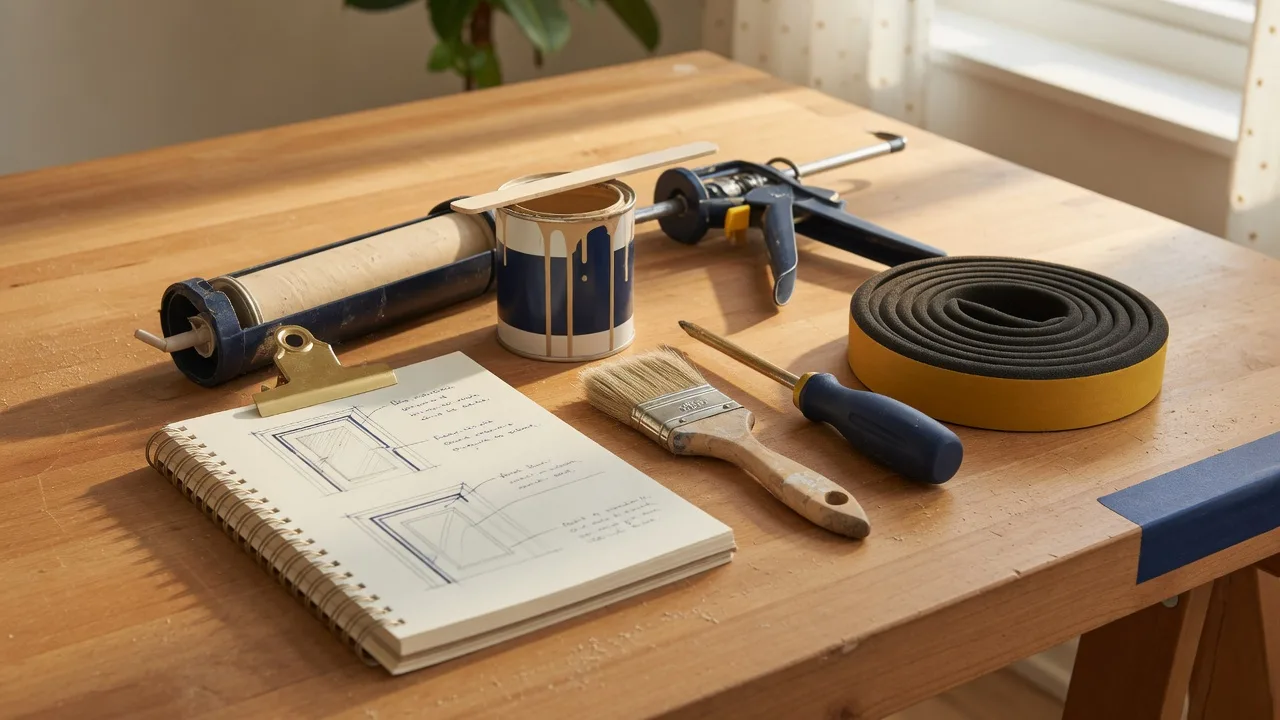
Having the right tools on hand makes the difference between a quick fix and a frustrating afternoon. Here is a starter toolkit that covers most basic home repairs.
Total investment: $100 to $200 for a quality starter set. It will pay for itself on your first repair.
Key Takeaways
Use the Confidence Check framework before every repair: diagnose, tools, hidden systems, risk, and permits. If you are unsure at any step, call a professional.
Safe DIY projects include painting, minor drywall, faucet replacements, weatherstripping, caulking, and toilet flapper repairs. These are low risk and save significant money.
Electrical, structural, roofing, and HVAC work should always be done by licensed professionals. The risk of injury, fire, flooding, or code violations is too high.
New Jersey requires contractors to be registered and licensed. Always verify credentials through the Division of Consumer Affairs before hiring.
Invest in a basic toolkit. The right tools make DIY repairs safer, faster, and more successful. A $100 investment covers most basic home repairs.
Frequently Asked Questions
Is it legal to do my own electrical work in New Jersey?
How much can I save by doing repairs myself?
What if I start a DIY project and realize I cannot finish it?
Where can I find reliable contractors in South Jersey?
Do I need a permit for small home repairs?
Still Not Sure?
Ask Bob for a quick, honest opinion on whether a repair is DIY-friendly or needs a pro. No pressure, just practical advice from someone who has seen every home repair situation.
Related Handbook Articles
Finding Reliable Contractors in South Jersey
How to vet contractors, check licenses, get multiple bids, and avoid common hiring mistakes.
Read ArticleCommon Plumbing Problems and How to Handle Them
From running toilets to frozen pipes, a practical guide to plumbing issues every homeowner faces.
Read ArticleHVAC Maintenance: A Homeowner's Guide
Everything you need to know about keeping your HVAC system running efficiently through South Jersey seasons.
Read Article