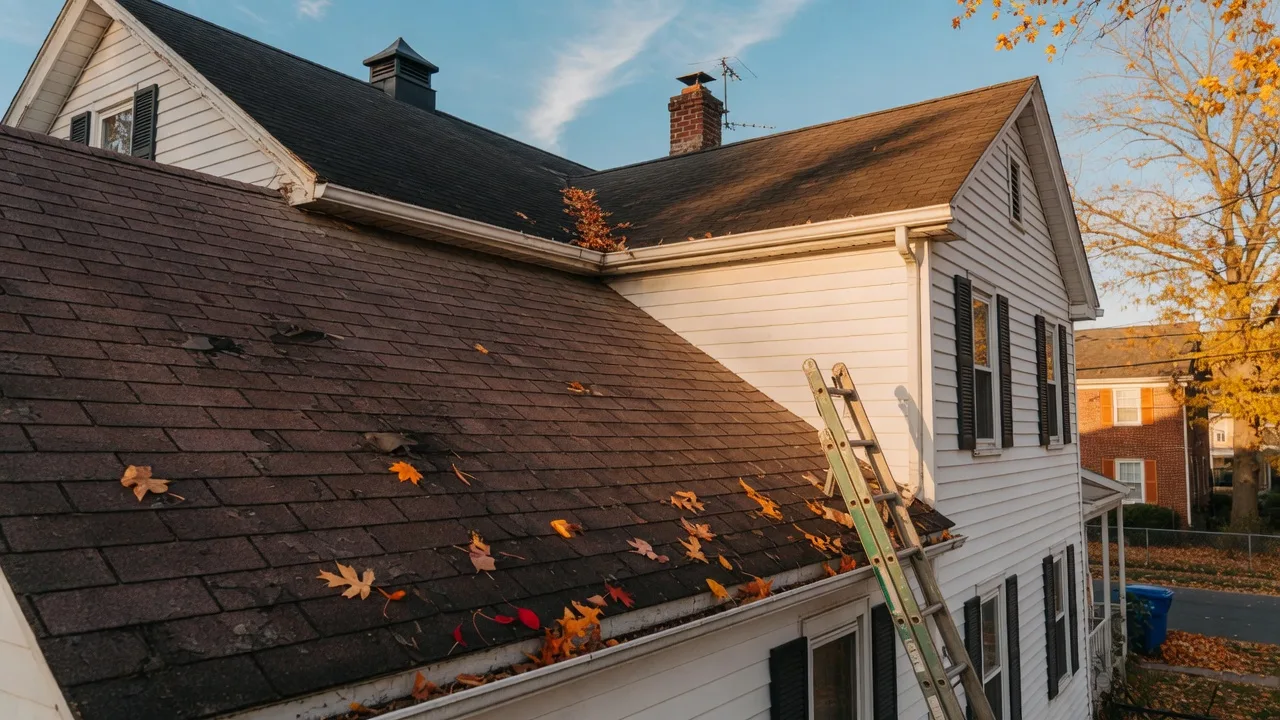
Should I Replace My Roof
Before Selling?
A complete guide to help South Jersey homeowners decide whether to replace, repair, or disclose their roof when preparing to sell.
You are getting ready to sell your home. The market is looking good, you have started decluttering and thinking about curb appeal, and then you look up at your roof and wonder: is this going to be a problem?
It is one of the most common questions homeowners face when preparing to sell. A roof is expensive, and the idea of spending thousands of dollars on a home you are about to leave feels wrong. But the worry of a roof issue scaring off buyers or blowing up a deal at the last minute is stressful too.
The truth is that the answer is not always straightforward. It depends on your roof's age and condition, your local market, your timeline, and your budget. In this guide, we will walk through every factor so you can make the right decision for your home and your situation.
I have helped over 600 families buy and sell homes in Burlington County and across South Jersey. I have seen every possible roof scenario, and I will give you the same honest advice I give my own clients.
Repair vs Replace: When Each Makes Sense
The first question to answer is whether your roof actually needs a full replacement or if a targeted repair will do the job. Here are the factors that matter most.
Age of the Roof
Standard asphalt shingle roofs last between 20 and 30 years. If your roof is approaching or past that mark, replacement is usually the right call. Even if it looks acceptable from the ground, the shingles are losing their granules, the protective seal is weakening, and the risk of leaks increases every year. A buyer's home inspector will know the approximate age just by looking at the condition of the shingles.
If your roof is under 15 years old and in good visible condition, you likely have nothing to worry about. A simple repair for any isolated issues will be more than sufficient.
Extent of the Damage
Isolated damage from a fallen branch or a small area of wind-lifted shingles can almost always be repaired. A roofer can replace a few damaged shingles, reseal flashing around a chimney or vent, or patch a small leak for a few hundred dollars.
Widespread damage, multiple leaks, or significant granule loss tells a different story. When the roof is failing in multiple areas, repairs are just buying time. A buyer's inspector will spot the bigger picture, and you will end up negotiating anyway.
Cost Comparison
Best for isolated damage on a roof under 15 years old. A practical solution that solves the immediate problem.
Necessary for roofs over 20 years old or with widespread damage. A significant investment that eliminates the issue entirely.
When the cost of repeated repairs approaches half the cost of replacement, it is time to replace. That is money you will never get back from patchwork.
When Repairs Are Just Buying Time
If your roof is 18 years or older and you are repairing a second or third leak, you are in a cycle. Each repair buys you a few months or a year, but the underlying deterioration continues. Buyers and their inspectors will see the evidence of repeated repairs, and it raises red flags. At this point, replacement is the honest answer.
That said, if you need to sell quickly and cannot afford a full replacement, a targeted repair combined with full disclosure can still result in a successful sale. The buyer will know what they are taking on.
The ROI of a New Roof
Let us talk dollars and cents. A new roof is one of the most visible home improvements you can make, but how much of that investment comes back to you at the closing table?
What the Numbers Say
Nationally, a new roof recovers about 60 to 70 percent of its cost in increased home value. In South Jersey, where weather takes a toll on roofs and buyers are increasingly savvy about home condition, the return can be on the higher end of that range. A well-maintained home with a newer roof commands a premium because buyers know they will not have to worry about it for years.
Here is the real math. If you spend $12,000 on a new roof, you might see your home's value increase by $7,000 to $8,500. That is a net loss on paper. But the value is not just in the sale price. It is in how the home sells.
When the ROI Makes Sense
A new roof makes the most financial sense when your roof is visibly failing and you are in a market where buyers expect move-in condition. In Burlington County, well-maintained homes in desirable neighborhoods sell faster and for higher prices. A new roof eliminates the single biggest negotiation point that comes up in home inspections.
It also makes sense when you are dealing with a buyer using FHA or VA financing. These loan programs require the roof to be in good condition with no leaks and at least a few years of remaining life. If your roof fails that test, the deal could fall through entirely.
When the ROI Does Not Make Sense
If your roof still has a few years of life left and the visible issues are minor, replacing it before selling is likely overkill. You will spend thousands of dollars that buyers were not expecting you to spend, and you will not see that money back in the sale price.
In a hot seller market where inventory is low, buyers are already competing. They may be willing to take on a roof that needs replacement in a few years, especially if they plan to renovate anyway. In that case, you might be better off selling as-is and letting the next owner handle the roof on their timeline.
Alternative Investments That Offer Better Return
If you have a limited budget for pre-sale improvements, compare the roof against other investments. Fresh interior paint, new carpet or flooring, minor kitchen updates, and curb appeal landscaping often deliver a higher percentage return than a new roof. These lower-cost improvements can make your home feel more modern and well-cared for without the major expense of a roof replacement.
That said, if your roof is actively leaking or visibly failing, none of those other improvements will matter. A bad roof scares buyers away no matter how nice the kitchen looks.
How Buyers Perceive Roof Condition
Buyers are not roof experts, but they are incredibly sensitive to what a roof communicates. Here is what goes through their minds.
First Impressions During Showings
The roof is one of the first things a buyer sees when they pull up to your home. Curling or missing shingles, visible patches, or an overall worn appearance immediately signals that the home has not been well maintained. It sets a negative tone before they even walk through the front door.
A clean, well-maintained roof tells the opposite story. It says the homeowner took care of the property, and that positive feeling carries through the entire showing. Buyers are more forgiving of minor cosmetic issues in a home when they feel confident the big-ticket items are in good shape.
What Buyers Think When They See an Old Roof
Most buyers know that a roof replacement costs thousands of dollars. When they see an aging roof, they immediately start mentally calculating the cost of replacement. They add that number to their offer calculation, which means they will either offer less or ask for a credit after the inspection.
The uncertainty is worse than the cost. Buyers worry about what they cannot see. Is there hidden water damage in the attic? Will the roof leak during the first heavy rain? These fears drive lower offers and longer negotiation periods.
The Psychology of Move-In Ready Homes
Buyers pay a premium for homes that are truly move-in ready. A move-in ready home means no major repairs needed for at least five to ten years. The roof is at the top of that list. When a buyer knows they will not have to worry about the roof for the foreseeable future, they can focus on what they love about the home and feel confident in their offer.
In competitive markets like Moorestown, Mount Laurel, and Medford, homes with newer roofs consistently sell faster and for closer to asking price. Buyers are willing to pay more for the peace of mind that comes with a roof that has years of life remaining.
Home Inspections and Roofs
The home inspection is where roof issues surface. A good inspector will give the roof a thorough evaluation, and their findings will directly affect your negotiations.
What Inspectors Look For
A professional home inspector examines the roof from both the ground and the attic. They look for curling, cracking, or missing shingles, granule loss in gutters and downspouts, signs of previous repairs, the condition of flashing around chimneys and vents, and evidence of leaks in the attic. They also estimate the remaining useful life of the roof based on its age and condition.
In South Jersey, inspectors pay special attention to areas where ice dams and snow buildup can cause damage. They also check for signs of moisture in the attic, which can indicate a ventilation problem or a slow leak that has not yet reached the interior ceiling.
Common Roof-Related Findings
The most common finding. Granules in the gutters signal the shingles are nearing the end of their life.
Common around chimneys, skylights, and roof valleys. Often the source of leaks that are misattributed to the shingles.
Poor ventilation shortens roof life and can cause moisture problems that look like roof leaks.
Multiple repaired areas suggest the roof is nearing the end of its service life, even if the current leaks are fixed.
How Inspection Results Affect Negotiations
Roof findings are the single most common subject of post-inspection negotiations. Buyers typically request a credit equal to the cost of a new roof, minus the remaining life of the current roof. For example, if your roof is at the end of its life, buyers may ask for $8,000 to $12,000 in credits.
You can negotiate, of course. But the buyer has leverage because the inspection report is a documented concern. In a slow market, you may have to give significant credits. In a hot market, buyers may be willing to accept the roof as-is, but those buyers are becoming rarer as home inspection awareness grows.
Pre-Listing Inspection Benefits
One of the smartest moves you can make is to have a pre-listing inspection before you put your home on the market. You will know exactly what a buyer's inspector will find, and you can address roof issues on your timeline rather than under negotiation pressure.
With a pre-listing inspection, you can get repair quotes, decide whether to replace or repair, and price your home accordingly. If you decide to replace the roof, you can do it before showings start and market the home with a new roof as a selling point. If you decide not to replace it, you can disclose the inspection findings upfront and avoid surprises.
Insurance Considerations
Insurance is a piece of the roof puzzle that many homeowners overlook. It can affect both your ability to sell and the buyer's ability to get coverage.
How Roof Age Affects Insurance
Many insurance companies now ask about roof age when writing or renewing a policy. Some carriers will not insure a home with a roof over 20 years old, or they will only offer actual cash value coverage instead of replacement cost. This means the homeowner would receive a depreciated payout rather than the full cost of a new roof.
This is becoming more common in New Jersey as insurers tighten their underwriting after years of storm-related claims. A buyer who falls in love with your home may find that their insurance company requires a new roof before they can get a standard policy.
Claims and Disclosure Requirements
If you have filed a roof insurance claim in the past five years, that information may be available through the Comprehensive Loss Underwriting Exchange (CLUE), which insurers use to assess risk. Buyers may ask about past claims, and you should be honest about what was repaired and whether the roof has ongoing issues.
It is also worth noting that filing a roof claim right before selling can complicate your timeline. The claim process can take weeks, and the repair or replacement may not be completed before your closing date.
Getting Insurance with an Old Roof
Some buyers may struggle to get homeowners insurance on a property with an older roof, especially if they are shopping with major carriers that have strict age limits. This can delay closings or cause deals to fall through if the buyer cannot find coverage.
As a seller, you can help by having your roof inspected and sharing the inspection report with potential buyers. A report showing that the roof is in good condition despite its age can help buyers find an insurer who will accept it.
South Jersey Considerations
Your roof does not exist in a vacuum. South Jersey's climate, housing stock, and market conditions all play a role in your decision.
Local Weather Impacts
South Jersey roofs face a unique combination of challenges. Nor'easters bring heavy wind and rain, often multiple times a year. Summer humidity and heat accelerate shingle deterioration. Winter freeze-thaw cycles can cause ice dams and flashing damage. And the occasional hurricane or tropical storm can cause widespread damage across entire neighborhoods.
This climate means that a 20-year-old roof in South Jersey may be in worse condition than a 20-year-old roof in a milder climate. Buyers who are familiar with the area know this, and they are especially cautious about older roofs.
Common Roof Materials in the Area
The vast majority of homes in Burlington County and South Jersey have asphalt shingle roofs, either three-tab or architectural. Architectural shingles are more durable, more attractive, and more expensive, and they are the standard for most roof replacements today. Some older homes in historic districts like Moorestown, Haddonfield, and Mount Holly may have slate or cedar shake roofs, which are much more expensive to replace and require specialized contractors.
If you have a slate or tile roof, consult a specialist before making any decisions. These materials have very different lifespans and cost profiles than asphalt shingles.
Local Contractor Availability and Pricing
Roofing contractors in South Jersey are generally plentiful, but their availability varies by season. Spring and fall are the busiest times, and you may wait several weeks for an installation slot. If you are on a tight timeline to sell, plan ahead.
Pricing in South Jersey ranges from $8,000 to $15,000 for a typical single-family home with asphalt shingles, depending on roof size, pitch, number of layers, and material grade. Get at least three quotes, and always verify that the contractor is licensed and insured in New Jersey. Ask for references and check recent work in your neighborhood.
Seasonal Timing for Roof Work
If you decide to replace your roof, timing matters. The ideal months for roof work in South Jersey are April through June and September through October, when temperatures are moderate and rain is less frequent. July and August can be uncomfortably hot for roofers, and December through February carries the risk of cold-weather installation issues.
If you are listing your home in the spring, plan to have any roof work completed before showings begin. A construction zone is not an appealing first impression for buyers.
Your Decision Checklist
Use this checklist to work through your decision. Answer each question honestly, and the right path will become clear.
Check the Age
Find your roof's age. If it is over 20 years old, replacement is likely. If it is under 15 years, repair is probably sufficient. If you are not sure, ask your real estate agent or a roofer to estimate the age from the condition of the shingles.
Assess Visible Condition
Walk around your home and look for curling, cracking, or missing shingles. Check gutters for granules. Look for sagging areas. Check the attic for signs of leaks or daylight coming through the roof boards.
Get a Professional Inspection
Hire a licensed home inspector or a trusted roofing contractor to evaluate the roof. A professional opinion costs a few hundred dollars and can save you from making the wrong decision. Ask for a written report with estimated remaining life.
Get Repair and Replacement Quotes
Get at least three quotes for both repair and replacement. Compare the costs and timing. Factor in the waiting period for installation if you choose replacement.
Evaluate Your Market and Timeline
Is your local market competitive? Are buyers desperate for inventory? If so, you may be able to sell as-is with a disclosure. If the market is slow, a new roof could be the difference between selling and sitting on the market.
Consider Your Budget
Can you afford a replacement? If not, you can still sell by being transparent and pricing accordingly. Many buyers are willing to take on a roof project if the home is priced to reflect the needed work.
Your Quick Decision Guide
Frequently Asked Questions
Honest answers to the questions homeowners ask most about their roof and selling.
Can I sell my house with a bad roof?
Will a new roof pay for itself when I sell?
How much does a roof replacement cost in South Jersey?
What if my roof is only 10 years old and leaking?
Do I have to disclose roof problems to buyers?
Will my insurance cover a roof replacement?
Related Homeowner Resources
These guides and resources will help you make informed decisions about your home.
Ask Bob About Your Roof
Get a personalized answer from Bob about your specific roof situation. No pressure, just honest advice.
Ask NowTrusted Roofing Partners
Every contractor in our network has been personally vetted by Bob. Find a roofer you can trust.
View PartnersPre-Listing Home Inspections
Know what buyers will find before they find it. A pre-listing inspection gives you control of the process.
Learn More