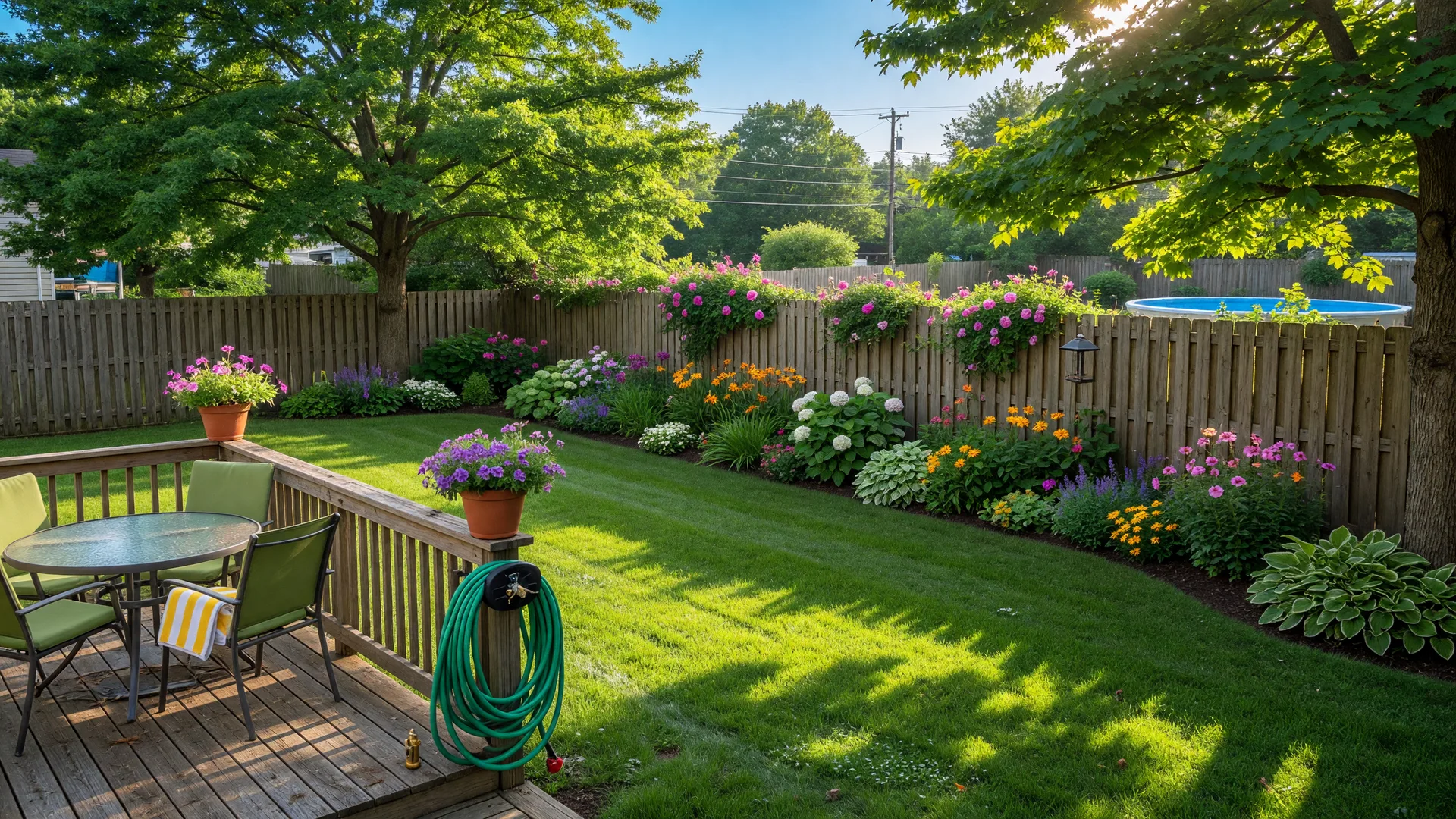
Summer Readiness Guide
for South Jersey Homeowners
Summer in South Jersey means heat, humidity, and heavy afternoon storms. Getting your home ready before the temperatures climb will keep your family comfortable, protect your home from weather damage, and save you money on energy bills all season long.
Summer in South Jersey is a wonderful season. Long evenings on the deck, backyard barbecues, and weekend trips to the Shore. But summer also brings intense heat, humidity, thunderstorms, and the occasional tropical storm that can put your home to the test.
I have seen too many homeowners scramble when their AC fails during a heat wave or discover a leaky deck right before a holiday party. The good news is that a few hours of preparation in late spring can save you thousands in emergency repairs and keep your home comfortable through the hottest months.
This guide covers everything you need to do to get your South Jersey home ready for summer, from your air conditioner to your lawn. Each section is practical, actionable, and tailored to our local climate and conditions.
If you are a new homeowner, start with our Your First 30 Days as a Homeowner guide. And for a full year of maintenance planning, read Setting Up Your Home Maintenance Schedule.
AC Maintenance and Service
Your air conditioner is the most important appliance of the summer. In South Jersey, where summer humidity regularly pushes heat indices above 100 degrees, a working AC is not a luxury. It is a necessity for health and comfort.
Have your AC system professionally serviced every spring. A technician will clean the condenser coils, check refrigerant levels, inspect electrical connections, lubricate moving parts, and test airflow. This annual service costs $100 to $200 and can catch small problems before they become expensive failures in July. A well-maintained system also runs more efficiently, saving you money on energy bills.
This is the single most important thing you can do for your AC system. Replace your air filter every 30 to 60 days during the cooling season, and monthly if you have pets or allergies. A clean filter improves airflow, helps your system cool more efficiently, and prevents the evaporator coil from freezing. Mark it on your calendar so you do not forget.
The outdoor condenser unit needs at least two feet of clearance on all sides for proper airflow. Trim back bushes, weeds, and grass that have grown around it over spring. Remove leaves, debris, and dirt from the fins using a gentle spray from a garden hose. Turn off power to the unit first. Keeping the condenser clean can improve efficiency by 5 to 15 percent.
Book your AC service in April or early May. Once the heat arrives in June, HVAC companies are booked solid. If your system is more than 12 years old and uses R-22 refrigerant (which is being phased out), start planning for a replacement now so you are not making an emergency purchase on the hottest day of the year.
Gutter Cleaning for Summer Storms
Summer in South Jersey brings heavy afternoon thunderstorms, and sometimes tropical systems that can drop several inches of rain in a matter of hours. Clean gutters are your home's first line of defense against water damage.
After the spring bloom, your gutters are likely filled with seed pods, blossoms, and debris from trees. Before the summer storm season begins, clean your gutters thoroughly. Check that downspouts are clear and extend at least four feet away from the foundation. Consider installing gutter guards if you have many trees near your home.
Inspect your gutters for leaks, sagging sections, and loose fasteners. Look for rust spots on metal gutters and cracks in vinyl gutters. Use a hose to run water through the system and watch for leaks at the seams. A small leak now can become a big problem during a heavy downpour.
Ensure downspouts direct water at least four to six feet away from your foundation. Use downspout extensions or splash blocks if needed. In areas with poor drainage, consider installing a French drain or dry well to handle large volumes of water during heavy storms.
Deck Inspection and Maintenance
Your deck is the centerpiece of summer entertaining in South Jersey. After a long winter and wet spring, it needs a thorough inspection before you fire up the grill and invite the neighbors over.
Walk your entire deck and look for loose boards, popped nails or screws, and any wood that feels soft or spongy. Check the ledger board where the deck attaches to the house, this is the most common failure point. Make sure all joist hangers and fasteners are secure. Pay special attention to posts and stairs. If you find rotten or compromised wood, replace it immediately. A deck failure can cause serious injury.
Clean your deck with a deck cleaner and a stiff brush or pressure washer on a low setting. Power washing too aggressively can damage the wood. After the deck dries, inspect the stain or sealant. If water beads up on the surface, the sealant is still working. If water soaks in, it is time to reseal. A good sealant protects the wood from moisture, UV damage, and rot.
Check that all railings are sturdy and meet local code requirements, typically at least 36 inches high for residential decks. Test each baluster to make sure it is secure. Check stair treads for wear and replace any that are cracked or loose. If your deck is more than 30 inches above the ground, make sure the railing system is up to code.
Outdoor Drainage Checks
Proper drainage is essential for protecting your home's foundation. During summer thunderstorms, water that pools near your foundation can seep into basements and crawlspaces, causing mold, structural damage, and pest problems.
Walk around your home after a heavy rain and look for areas where water pools near the foundation. The ground should slope away from your home at least six inches over the first ten feet. If you find low spots, add fill dirt to create proper grading. This is one of the most effective ways to prevent basement flooding.
Test your sump pump by pouring a bucket of water into the sump pit. The pump should turn on automatically and drain the water quickly. If it does not, check the float switch and the discharge line. Consider installing a battery backup sump pump for power outages during severe thunderstorms. A working sump pump is your best defense against a flooded basement during a summer downpour.
If you have basement windows with window wells, make sure the wells are clean of leaves and debris and that the drains at the bottom are not clogged. During heavy rain, a clogged window well drain can cause water to pour into your basement through the window. Install clear plastic window well covers to keep debris out while letting light in.
Lawn and Landscaping Prep
A healthy lawn and well-maintained landscaping not only make your home look great, they also protect your property from erosion and pests. Here is how to get your yard ready for summer in South Jersey.
Apply a slow-release nitrogen fertilizer in late spring to prepare your lawn for summer. Set your mower blade to the highest setting, aiming for grass three to four inches tall. Taller grass develops deeper roots that are more drought-resistant and shades the soil, reducing water evaporation. Water deeply but infrequently, about one inch per week, to encourage deep root growth.
Apply a fresh layer of mulch to garden beds to retain moisture, suppress weeds, and keep the soil cool. Use about two to three inches of mulch, but keep it a few inches away from the base of trees and shrubs to prevent rot. Pull weeds early in the season before they go to seed. A pre-emergent herbicide applied in early spring can prevent many summer weeds.
Trim back any branches that touch your house, roof, or siding. Branches rubbing against the house can damage siding and provide a bridge for pests like ants and rodents. Prune dead or diseased branches from trees and shrubs. Keep shrubs at least two feet away from your home's exterior to allow airflow and reduce moisture buildup that can lead to rot.
Pool Opening and Maintenance
If you have a swimming pool, proper opening and maintenance are essential for safe, enjoyable swimming all summer and for protecting your investment.
Remove the cover carefully and clean it before storing. Clean debris from the pool, then fill it to the proper level. Start the filtration system and check for leaks. Test the water chemistry and balance the pH, alkalinity, and sanitizer levels. Shock the pool to kill any algae or bacteria that grew under the cover. If you are unsure about the process, hire a professional pool service for the opening.
Inspect the pool fence or barrier for any gaps or damage. Make sure gates close and latch properly on their own. Check that drain covers are in place and in good condition. Review pool safety rules with your family, especially if children will be using the pool. Keep a life ring or reaching pole near the pool at all times.
Clean or backwash the filter according to the manufacturer's instructions. Check the pump basket and skimmer baskets for debris. Inspect pump seals and connections for leaks. A well-maintained pump and filter system keeps your pool clean and reduces chemical costs.
Pest Prevention for Summer
Summer in South Jersey means mosquitoes, ants, ticks, and other pests. A proactive approach to pest prevention keeps your home and yard comfortable and reduces the risk of pest-related damage and health concerns.
Mosquitoes breed in standing water. Check your yard for any containers, toys, birdbaths, clogged gutters, or low spots that hold water. Empty and refresh birdbaths weekly. Keep gutters clean so water flows freely. If you have a rain barrel, make sure it is screened to prevent mosquitoes from laying eggs.
Inspect the exterior of your home for cracks, gaps, and holes where pests can enter. Pay attention to areas where utility lines enter the home, gaps around windows and doors, and the junction between siding and foundation. Fill gaps with caulk, expandable foam, or steel wool for larger openings. Install door sweeps on all exterior doors.
Keep grass cut short, trim bushes and shrubs, and remove leaf piles and yard debris where pests hide. Store firewood at least 20 feet away from your home and off the ground. Treat your yard with mosquito control products or hire a professional pest control service for the season.
Energy Efficiency Tips for Summer
Summer energy bills in South Jersey can be shockingly high. Air conditioning typically accounts for half of your summer electric bill. These simple strategies can reduce your cooling costs without sacrificing comfort.
Set your thermostat to 78 degrees when you are home and 85 degrees when you are away. A programmable or smart thermostat makes this automatic. Each degree you raise the thermostat above 72 degrees saves about 3 percent on cooling costs. Over a full summer, that adds up to $100 or more in savings.
Use ceiling fans in rooms you are occupying. In summer, run them counterclockwise to create a cooling breeze. This allows you to raise the thermostat by 4 degrees without noticing a difference in comfort. Turn fans off when you leave a room, as they cool people, not spaces. Use bathroom and kitchen exhaust fans to remove heat and humidity after showers and cooking.
Close blinds, curtains, and shades on south- and west-facing windows during the hottest part of the day. White or reflective backing on curtains can reduce heat gain by up to 33 percent. Consider installing exterior awnings or shade sails for windows that get direct afternoon sun. Planting deciduous trees on the south and west sides of your home provides natural shade in summer while letting sunlight through in winter.
Use your oven, dishwasher, and dryer in the evening when temperatures are cooler. Better yet, use a microwave, toaster oven, or outdoor grill for cooking in summer. Air dry your dishes and clothes to avoid adding heat and humidity from the dryer. Unplug electronics and appliances when not in use, as they generate heat even in standby mode.
South Jersey Summer Considerations
South Jersey summers are distinct from other parts of the country. Here are the local factors that matter most for homeowners in Burlington County and the surrounding area.
South Jersey's summer humidity is relentless. High indoor humidity can lead to mold, mildew, and dust mites. Keep indoor humidity below 60 percent with your AC system. Consider a whole-house dehumidifier if you have persistent humidity issues, especially in basements. Run bathroom exhaust fans during and after showers to remove moisture.
South Jersey experiences severe thunderstorms and is vulnerable to tropical storms and hurricanes. Secure loose outdoor furniture, grills, and decorations before storms. Check that your sump pump is working and has a battery backup. Keep a emergency kit ready with flashlights, batteries, and a weather radio. Know how to shut off your utilities if needed.
South Jersey summers often include periods of drought with watering restrictions. Choose drought-tolerant grass varieties like tall fescue. Raise your mower deck to the highest setting to help grass retain moisture. Water deeply once a week rather than shallowly every day. Consider letting your lawn go dormant during severe drought; it will green up again when rain returns.
In South Jersey, aim to have all your summer preparations completed by Memorial Day weekend. This gives you a clean target date. Schedule your AC service in April, tackle outdoor projects in early May, and have your pool opened and yard ready by late May. Set a reminder on your phone for April 1 to start your summer prep.
Frequently Asked Questions
Honest answers to the questions South Jersey homeowners ask most about summer preparation.
When should I have my AC serviced for summer?
How often should I replace my AC filter during summer?
What temperature should I set my thermostat to during summer?
How do I keep pests out during summer?
Should I run my sprinklers during a drought?
How can I lower my energy bill during summer?
Key Takeaways
Schedule professional AC service in April or May before the heat arrives. Replace your air filter monthly during the cooling season.
Clean gutters, test your sump pump, and ensure downspouts direct water away from the foundation before summer storm season.
Inspect your deck thoroughly for rot, loose boards, and structural issues before using it for summer entertaining.
Eliminate standing water, seal pest entry points, and keep landscaping trimmed to reduce mosquitoes, ants, and ticks.
Set your thermostat to 78 degrees when home, use ceiling fans, close blinds on sunny windows, and cook outdoors to reduce heat and save on energy costs.
Suggested Related Articles
These guides and resources will help you continue building your homeowner knowledge.
Setting Up Your Home Maintenance Schedule
A complete monthly, seasonal, and annual maintenance schedule to keep your home in great shape all year round.
Read ArticlePreparing Your Home for Winter
Heating maintenance, pipe freeze prevention, insulation, gutter care, and emergency readiness for South Jersey winters.
Read ArticleYour First 30 Days as a Homeowner
A day-by-day guide to your first month of homeownership, from changing locks to setting up utilities to finding trusted service providers.
Read Article