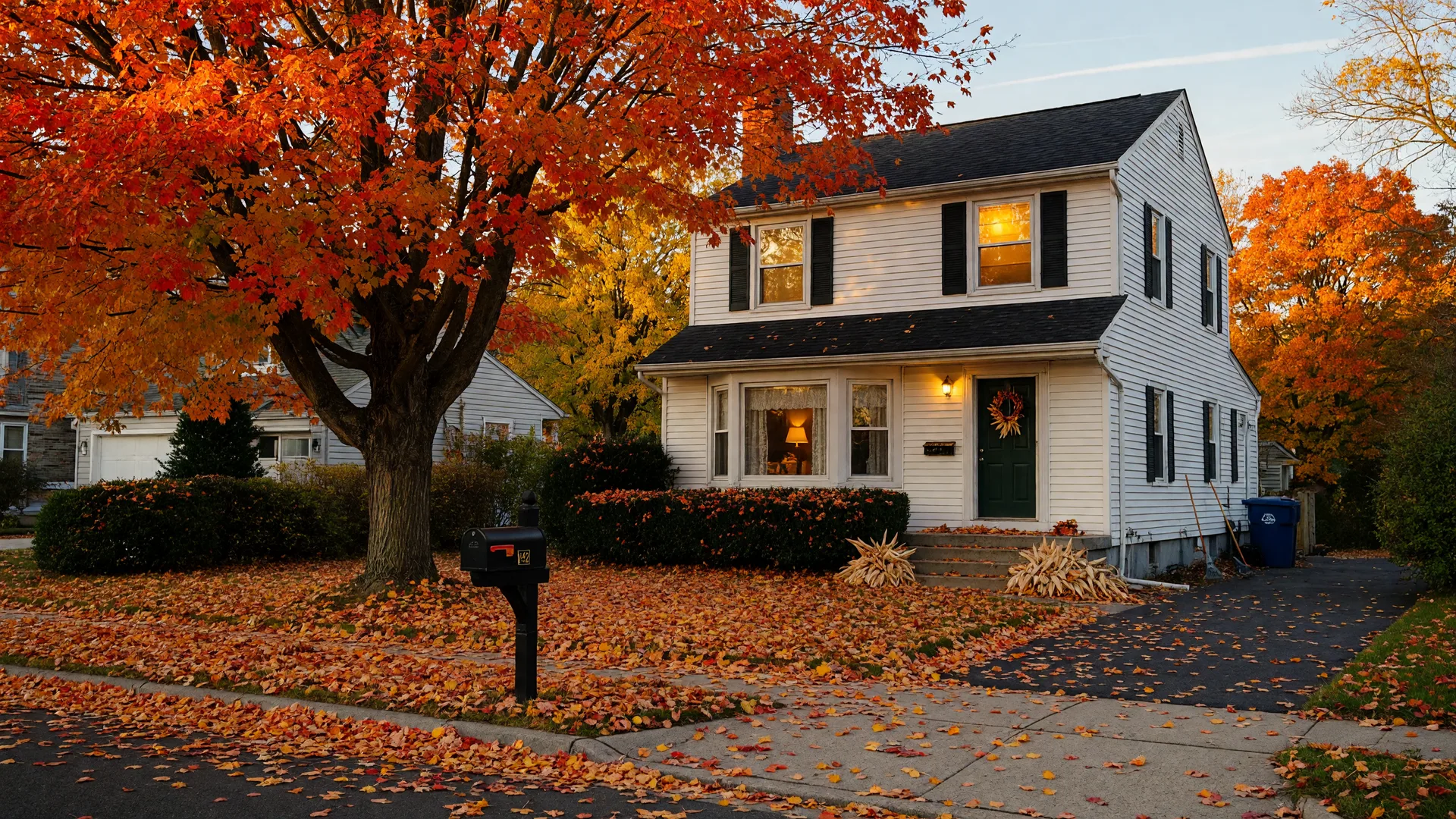
Fall Checklist Guide
for South Jersey Homeowners
Fall in South Jersey is beautiful, but it is also the season when you need to prepare your home for the cold months ahead. This comprehensive checklist covers everything from your chimney to your outdoor faucets so you can enjoy autumn and be ready for winter.
Fall in South Jersey is a gift. The humidity lifts, the leaves turn brilliant shades of red and gold, and the air turns crisp and cool. It is also the most important time of year for home maintenance, because the work you do in autumn determines how well your home will survive the winter.
I have helped hundreds of South Jersey homeowners prepare for winter, and I can tell you that the ones who take care of fall maintenance never regret it. The ones who skip it often end up calling me in a panic when their furnace fails or their basement floods during a winter storm.
This guide is organized as a straightforward checklist. Work through each section at your own pace, starting in early September. By mid-November, you will be fully prepared for whatever winter brings.
For a complete year-round perspective, see our Setting Up Your Home Maintenance Schedule guide. And for a deeper dive into winter preparation, including pipe freeze prevention and emergency readiness, read Winter Prep Guide.
Chimney Cleaning and Inspection
Fall is the time to get your chimney ready for the fireplace season. If you plan to light fires this winter, a clean and inspected chimney is not optional. It is a matter of home safety.
A certified chimney sweep removes creosote buildup, which is highly flammable and the leading cause of chimney fires. They will also inspect the flue liner for cracks, check the damper operation, examine the chimney cap and crown for damage, and look for any obstructions like bird nests. Schedule this in September or October before the busy season. The cost is typically $150 to $300, a small price for peace of mind.
Before you light your first fire, test all carbon monoxide and smoke detectors in your home. Replace batteries in any detector that is more than six months old. If you do not have CO detectors on every level of your home, install them now. Carbon monoxide from a fireplace or furnace is odorless and deadly. This is the single most important safety step you can take.
If you use a wood-burning fireplace, buy or split your firewood in early fall so it has time to dry before winter. Seasoned firewood should have been cut and split at least six months ago and stored off the ground in a covered area. Wood that is not properly seasoned produces more creosote, which increases the fire risk. Store firewood at least 20 feet from your home to prevent pests.
Leaf Removal from Foundations and Gutters
Fallen leaves are more than a yard maintenance chore. When leaves pile up against your foundation or clog your gutters, they can cause real damage to your home.
Rake or blow leaves away from your home's foundation. Wet leaves hold moisture against the siding and foundation, which can lead to rot, mold, and pest problems. Pay special attention to areas where downspouts discharge, as wet leaves accumulate there. Maintain at least a six-inch gap between the soil or mulch and your siding to prevent moisture wicking.
After all the leaves have fallen, typically in late November in South Jersey, clean your gutters one last time before winter. Remove all debris, check that downspouts are clear, and ensure water flows freely. This is the most important gutter cleaning of the year because clogged winter gutters lead directly to ice dams. Consider installing gutter guards if you have many trees.
Continue mowing your lawn as long as it is growing, typically into November in South Jersey. Keep the grass at about two to two and a half inches for the final cut of the season. Rake fallen leaves regularly; a thick layer of leaves smothers grass and promotes snow mold. Fall is also the best time to overseed thin areas, apply a winterizing fertilizer, and aerate compacted soil.
Sump Pump Testing and Backup Planning
Your sump pump works hardest during winter snowmelt and spring rains. Fall is the time to make sure it is ready. A failed sump pump during a winter thaw can flood your basement in hours.
Pour a bucket of water into the sump pit. The pump should turn on automatically and drain the water quickly. If it does not, check the float switch for obstructions and ensure the pump is plugged in. Check the discharge line for kinks, blockages, or ice buildup. Listen for unusual noises that might indicate a failing pump motor.
Winter storms often knock out power, which is exactly when your sump pump is needed most. A battery backup sump pump automatically kicks in when the power goes out. This is one of the best investments you can make for your home. If you already have a backup, test it by unplugging the main pump and making sure the backup operates properly. Replace backup batteries every three to five years.
Make sure the sump pump discharge line directs water at least ten feet away from your foundation and slopes downhill so water does not pool near the house. In winter, make sure the discharge line is not frozen or blocked by ice and snow. Consider installing a freeze-proof discharge line if your current setup is prone to freezing.
Heating System Preparation
Fall is when you transition from cooling to heating. Your furnace or heat pump has been idle for months, and it needs attention before you ask it to run for days on end.
Book your annual furnace tune-up in September or October. A technician will clean the burners, inspect the heat exchanger for cracks, check the flue for blockages, lubricate the blower motor, and test the thermostat calibration. A well-maintained furnace is less likely to fail on the coldest night of the year. If your furnace is more than 15 years old, discuss replacement options before a mid-winter failure forces an emergency purchase.
Replace your HVAC air filter at the start of the heating season, then every month throughout the winter. A clean filter improves airflow, keeps your system running efficiently, and prevents dust from circulating through your home. Buy a pack of filters now so you have replacements ready all winter.
Most ceiling fans have a switch that reverses the direction of the blades. In winter, run your ceiling fans clockwise at a low speed. This gently circulates warm air that has risen to the ceiling back down into the living space. It is a simple adjustment that can make your home feel warmer without raising the thermostat.
Replace the batteries in your thermostat at the start of the season. Set your heating schedule for fall and winter. A programmable thermostat set to 68 degrees when you are home and awake, and 62 degrees when you are sleeping or away, can save you 10 percent or more on heating costs.
Gutter Cleaning for Winter Readiness
Fall gutter cleaning is arguably the most important maintenance task of the year. Leaves, twigs, and debris accumulate in your gutters during autumn, and if you do not clear them out before winter, you are inviting ice dams and water damage.
After most leaves have dropped, usually in late October or November in South Jersey, clean your gutters thoroughly. Remove all debris by hand or with a gutter scoop. Flush the downspouts with a hose to make sure they are clear. Check that all gutter hangers are secure and that there are no sagging sections. Consider installing gutter guards if you are tired of cleaning gutters twice a year.
While cleaning, inspect your gutters for rust spots, cracks, holes, and separations at the seams. Check that the gutters slope properly toward the downspouts. Water should not pool in any section. Repair or replace damaged sections now, before winter ice and snow add extra weight. A gutter failure in winter can cause significant damage and is much harder to repair in cold weather.
Make sure downspouts extend at least four to six feet away from your foundation. Add downspout extensions if needed. In winter, snow and ice can block short downspouts, causing water to back up and freeze near the foundation. Longer extensions prevent this and protect your basement from water intrusion during snowmelt.
Window and Door Weatherstripping
Before the cold weather arrives, seal up the air leaks in your home. Drafty windows and doors are the single biggest source of heat loss in most homes, and fixing them is one of the most cost-effective improvements you can make.
On a windy day, walk around your home with a lit incense stick or a candle and hold it near the edges of windows and doors. If the smoke wavers or the flame flickers, you have a draft. Mark each spot so you can address it. Pay special attention to the bottom of doors, the gap between window sashes, and any cracks where the frame meets the wall.
Replace worn or compressed weatherstripping around exterior doors. Adhesive foam tape and V-strip are easy to install and inexpensive. Install a door sweep on the bottom of each exterior door. Door sweeps cost about $10 to $20 each and block the biggest draft point in most homes. Check the weatherstripping on your garage door as well, especially if there is living space above the garage.
For drafty windows, removable caulk cord pressed into the gap between the sash and frame is an inexpensive and effective solution. For windows you never open in winter, apply shrink-film plastic window insulation kits. These create an insulating air pocket and can reduce heat loss by 20 to 30 percent per window. They cost under $20 per window and remove cleanly in spring.
Outdoor Faucet Winterization
Frozen outdoor faucets and the pipes that feed them are one of the most common winter plumbing emergencies in South Jersey. Winterizing them is simple and takes about 15 minutes.
Disconnect all garden hoses from outdoor faucets. Drain the hoses completely and store them for winter. If you leave a hose connected, water trapped in the hose can freeze back into the faucet and burst the pipe inside your wall. This is the most common and most preventable winter plumbing disaster.
If your home has interior shutoff valves for exterior faucets, close them in late fall. Then go outside and open the faucet to drain any water remaining in the pipe. Leave the outdoor faucet open for the winter so any residual water can expand without pressure building in the pipe. Install an insulated faucet cover over the outdoor spigot for extra protection.
If you are replacing an outdoor faucet, install a frost-free hose bib. These have a long stem that extends into the warm interior of your home, so the water shutoff point is inside where it cannot freeze. They cost more than standard faucets but are well worth the investment, especially for frequently used outdoor spigots.
Holiday Lighting Safety
Holiday lights make winter magical, but they also introduce fire and electrical risks. A few precautions keep your celebrations safe and bright.
Check every string of lights for frayed wires, cracked sockets, and loose connections before you put them up. Replace any damaged strings. Use only lights rated for outdoor use on the exterior of your home. Indoor lights are not designed to withstand moisture and temperature changes. Buy new LED lights if your old ones are more than five years old, as they use 80 percent less energy and run cooler.
Use a sturdy ladder and have someone hold it steady. Use plastic light clips designed for holiday lights, never nails or staples that can damage the wire insulation. Keep all connections off the ground and use weatherproof covers on outdoor outlets. Never plug more than three strings of lights end to end. Use a power strip with a built-in circuit breaker for multiple connections.
Put your holiday lights on a timer so they turn off automatically at a reasonable hour, typically 10 or 11 PM. Turn off all holiday lights before going to bed or leaving the house. LED lights run cooler than incandescent ones, but they can still overheat if there is a wiring fault. A timer also saves energy and extends the life of your lights.
South Jersey Fall Considerations
Fall in South Jersey has its own rhythm and challenges. Here are the local factors that matter most for homeowners in Burlington County and the surrounding area.
South Jersey's mature trees produce a heavy leaf drop in October and November. Many homeowners have large oaks, maples, and sycamores that can fill gutters quickly. Plan to clean gutters at least twice in fall, once in early October and again in late November. If your property has many trees, consider leaf guards on gutters or hiring a professional gutter cleaning service.
In Burlington County, the first hard freeze typically occurs between mid-November and early December. Use this date as your deadline for completing all outdoor winterization tasks, including draining hoses, winterizing faucets, sealing foundation vents, and insulating exposed pipes. Set a recurring reminder for October 1 to start your fall checklist.
If you own a historic home in towns like Burlington City, Mount Holly, or Moorestown, pay special attention to draft sealing and heating system efficiency. Historic homes often have single-pane windows, uninsulated walls, and older heating systems. A professional energy audit can identify the most cost-effective improvements while preserving the home's character.
September: Schedule chimney sweep and furnace tune-up. October: Clean gutters, test sump pump, seal drafts. November: Final gutter cleaning, winterize outdoor faucets, stock firewood, prepare emergency kit. December: Install holiday lights safely, verify all winter preparations are complete.
Frequently Asked Questions
Honest answers to the questions South Jersey homeowners ask most about fall maintenance.
When should I start fall home maintenance in South Jersey?
Do I really need to clean my gutters in fall?
How do I winterize my outdoor faucets?
Should I have my chimney cleaned every year?
What temperature should I set my thermostat to in fall?
How do I test my sump pump before winter?
Key Takeaways
Schedule chimney cleaning and furnace service in September or October before the busy season. Test carbon monoxide detectors.
Clean gutters thoroughly after leaf drop, test your sump pump, and install a battery backup for winter power outages.
Disconnect hoses, drain outdoor faucets, and shut off interior valves before the first freeze. Install insulated faucet covers.
Seal drafts around windows and doors with weatherstripping, caulk cord, or shrink-film kits. These improvements pay for themselves in one winter.
Inspect holiday lights before hanging, use outdoor-rated lights only, and never leave lights on unattended. Use timers for safety and energy savings.
Suggested Related Articles
These guides and resources will help you continue building your homeowner knowledge.
Winter Prep Guide
Pipe freeze prevention, insulation, emergency readiness, and everything else for South Jersey winter.
Read ArticleSetting Up Your Home Maintenance Schedule
A complete monthly, seasonal, and annual maintenance schedule to keep your home in great shape all year round.
Read ArticlePreparing Your Home for Winter
Heating maintenance, pipe freeze prevention, insulation, and emergency readiness for South Jersey winters.
Read Article